















Navigating the European Food Trends Landscape in 2026
In the ever-evolving sphere of European dietary preferences, the tandem principles of health and sustainability have risen to prominence as key factors influencing consumer choices. This surge in significance has been particularly notable since the onset of the global pandemic, catalyzing shifts in how Europeans approach and conceptualize their diets. Let’s explore the latest trends and insights that shed light on the changing dynamics within the European food market trends in 2026, through the deep report from Deloitte “The Conscious Consumer”.
Over the past years, consumers across Europe have exhibited a heightened consciousness regarding the intricate interplay between nutrition and well-being. This surge in awareness is evidenced by an increased interest among consumers who express a desire to understand the profound impact their dietary choices can have on their overall health. A substantial portion reports a growing concern regarding the link between nutrition and personal well-being.
Health and Sustainability Trends Across Europe
In terms of purchasing behaviors, a discernible transformation is taking place. Consumers are actively modifying their preferences in response to these newfound priorities. There is a noticeable upswing in the commitment to adopt healthier eating habits, with increasing preference for more vegetable consumption and for reduced meat intake. Simultaneously, a growing inclination towards locally sourced products is observed among consumers. This shift towards health-centric choices is accompanied by an uptick in home-cooked meals, with an increased dedication to preparing meals at home. This not only aligns with a desire for healthier dietary choices but also contributes to a significant reduction in packaging, notably in the context of food delivery services.
Health and sustainability have emerged as the new focal points dictating consumer choices when it comes to selecting food products. While price remains a crucial consideration, health takes precedence for consumers when faced with the triad of factors influencing their purchasing decisions. Additionally, more and more consumers prioritize health over sustainability.
Despite acknowledging the influence of price over sustainability, a lot of consumers express a willingness to pay a premium for food items deemed sustainable. This willingness extends to various categories, with willingness to pay more for locally sourced products and for both organic and fair-trade items.
Supermarkets face trust challenges
Supermarkets, often perceived as distant and profit-driven entities, are struggling to gain the trust of European consumers.
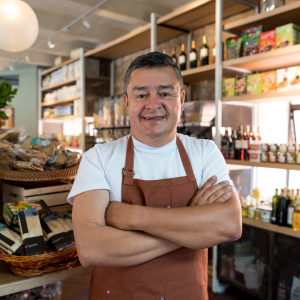
Few consumers tend to consider supermarkets as reliable references, viewing them as trustworthy sources. This skepticism highlights an opportunity for independent food stores to step into a more positive role. By fostering a personalized and community-centric approach, independent stores have the potential to become trusted guides, providing reliable information, nutritional education, and curated assortments that exclude products deemed detrimental to health. This shift away from impersonal supermarkets underscores the pivotal role independent food stores can play in building trust and fostering healthier, more sustainable choices within European communities.
This shift in consumer preferences is indicative of a broader movement towards conscious and mindful consumption. More consumers express a willingness to invest in products that align with their values, emphasizing the potential for a shift towards values-driven consumerism. This willingness to pay a premium for products resonating with personal values extends across various categories, illustrating a profound shift in consumer attitudes and priorities.
In conclusion, the evolving landscape of European food consumption underscores a paradigm shift towards health-conscious and sustainable choices in 2026.
The amalgamation of health and sustainability as primary drivers in consumer decision-making necessitates a recalibration of strategies within the food industry. Supermarkets, in particular, are presented with an opportune moment to actively guide consumers towards choices that align with their evolving values.
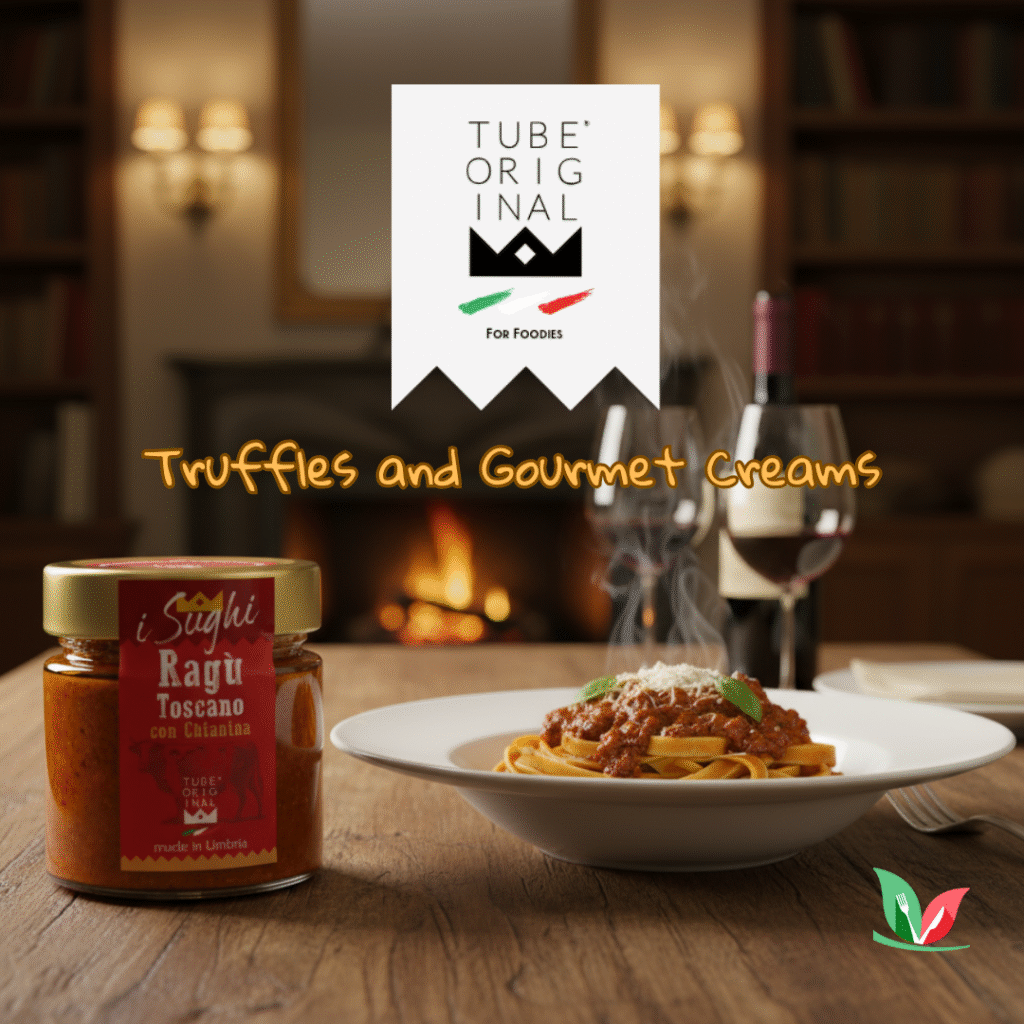
As Savorita continues to empower independent food stores with a curated selection of Italian gourmet products, the company stands poised to navigate and contribute to the evolving narrative of European food preferences.
The time is perfect for collaborative efforts that bring producers, retailers, and consumers into alignment with shared values, fostering a sustainable and health-conscious future.